Next-Generation Electric Transit Arrives in Rome
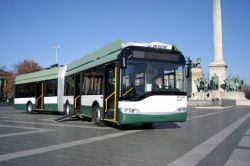
Witness the arrival of Rome's state-of-the-art Trollino trolleybus fleet, marking a significant milestone in the city's sustainable transportation evolution. These advanced vehicles represent a modern approach to emission-free public transit.
The transformation begins with Route 90 Express, which will pioneer trolleybus operations. Following close behind, Routes 30 Express and 60 Express will also transition to this innovative technology, creating an expanding network of zero-emission transit corridors.
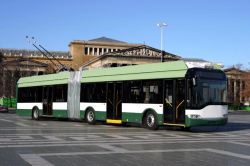
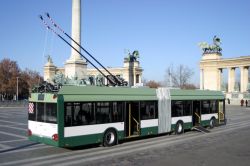
What sets these trolleybuses apart from traditional overhead-wire-dependent vehicles? The Trollino fleet features integrated rechargeable battery systems, enabling autonomous operation through sections without overhead catenary. This hybrid capability allows seamless travel from Porta Pia Square directly to Termini Station without requiring continuous wire contact.
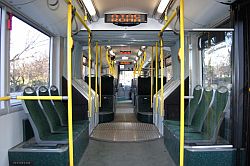
Each vehicle stretches an impressive 18 meters in length, offering substantial passenger capacity for high-demand express routes throughout the capital.
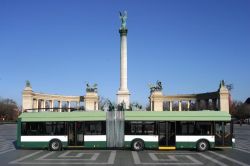
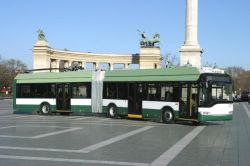
Environmental Design Philosophy
The distinctive dual-tone green livery wasn't chosen arbitrarily—it deliberately signals the vehicle's environmental credentials. The color scheme immediately communicates to passengers and observers that they're looking at an eco-friendly transit solution built for Rome's sustainable future.
These trolleybuses are manufactured by a Hungarian firm specializing in modern electric transit vehicles, bringing European engineering excellence to Rome's streets.
Infrastructure Transformation
The Montesacro depot, located in my neighborhood, originally served conventional diesel buses. Currently undergoing comprehensive renovation and technical upgrades, the facility is being completely transformed to accommodate trolleybus operations, including installation of charging infrastructure and overhead wire systems.
ATAC has placed orders for 30 of these Trollino units. The debut vehicle has already made its public appearance at Piazza Venezia, where it was formally introduced to Rome's residents. After conducting demonstration runs through the historic center, the trolleybus returned to its temporary home at the Via Prenestina workshop, where—according to my contact who works at that facility—it remains connected to charging systems while awaiting the completion of service preparations.
Stay tuned for additional coverage and photographs documenting Rome's transit transformation.
— Claudio P.