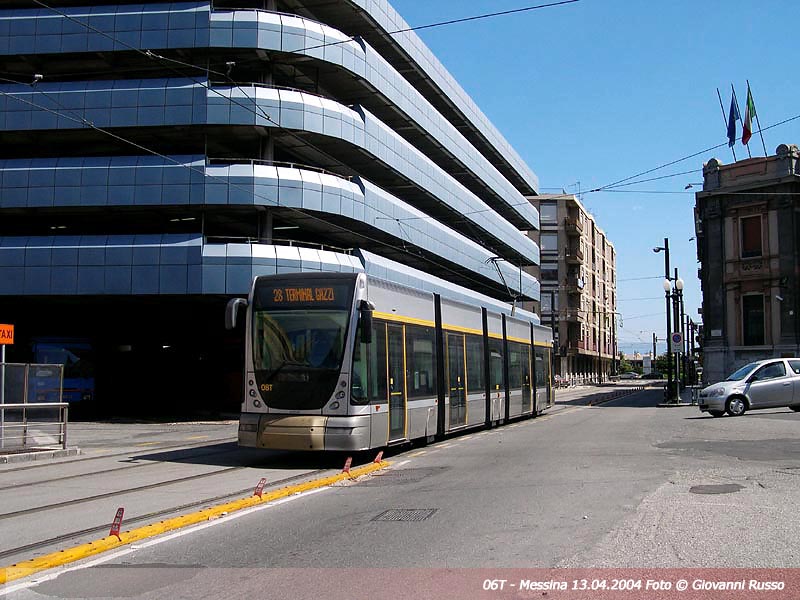
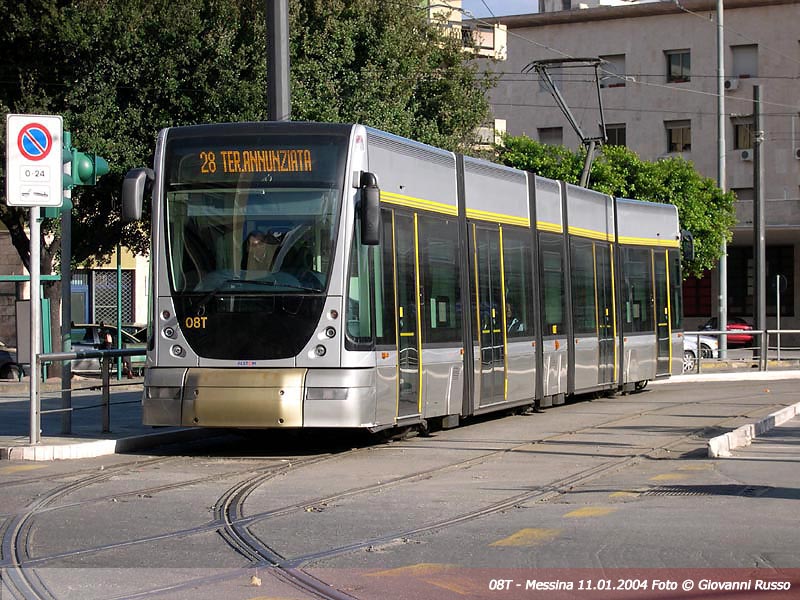
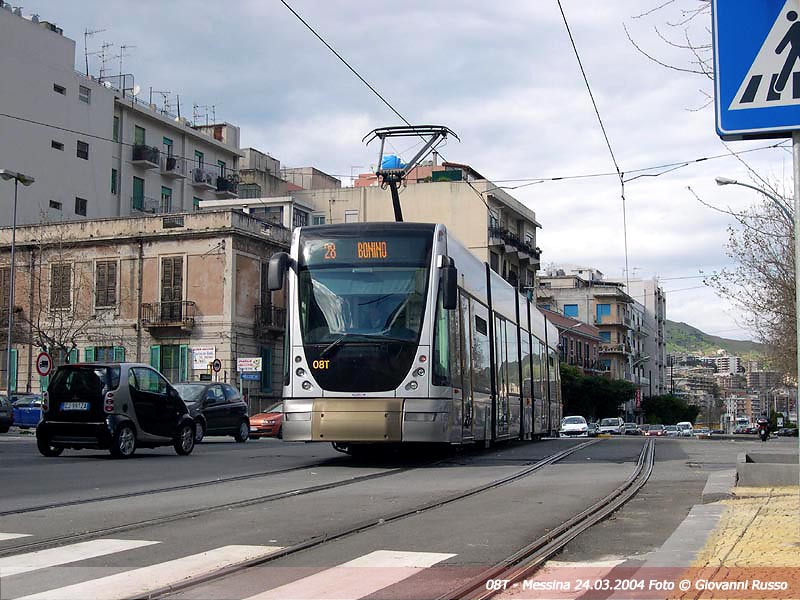
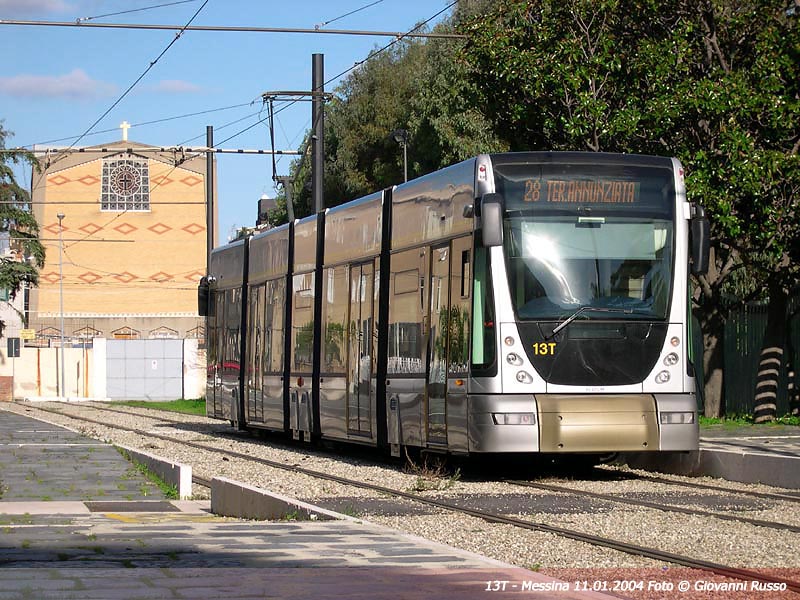
After waiting more than five decades, Messina has successfully reintroduced tram service to its urban landscape, earning the distinction of being the first Italian city to bring back tramway operations to its public transit network.
The journey began in 1996 when provincial and municipal authorities reached an agreement to develop a modern tram line connecting the city's southern and northern districts. Following extensive administrative processes, construction officially commenced on July 30, 1998, with an initial completion target of January 26, 2001. However, the official launch would require additional time beyond this original projection.
On April 3, 2003, city officials and dignitaries gathered to celebrate the grand opening of the new tramway system. The route extends 7.7 kilometers along major thoroughfares, featuring 18 strategically positioned stops between the Annunziata and Gazzi terminals. The dedicated right-of-way incorporates contemporary architectural elements and landscaping enhancements that highlight significant urban areas, including an impressive archway and green space at Piazza Cairoli, plus majestic palm trees lining Viale San Martino.
The operational fleet consists of 15 Cityway vehicles manufactured by Alstom Ferroviaria, designated with service numbers ranging from 01T through 15T. During the initial operational phase, only seven vehicles were deployed, and the system operated fare-free to encourage public adoption of this new transportation option.
The tramway operates as Route 28, which previously relied on bus service, connecting 18 stations: Annunziata (terminal), Ringo, Brasile, Pola, Porto Salvo, Dante Alighieri, Canottieri, Municipio, Dogana, Stazione, Cairoli, Camiciotti, Trieste, Provveditorato, Villa Dante, Provinciale, Autoparco, and Gazzi (terminal). Complete journeys average approximately 40 minutes, with intervals between departures typically ranging from 10 to 15 minutes.